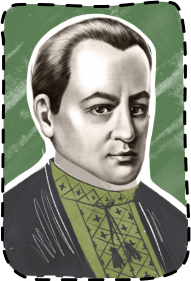
He was born in Poltava in the family of a clerk. He graduated from the Poltava Theological Seminary and worked as a clerk and a home teacher for rural landowner families.
Ivan Kotliarevsky was never married. Researchers say that he did not marry because of an unhappy love in his youth, when the girl Mariia, whom he fell in love with at the age of 25, rejected him. After that, he joined the army.
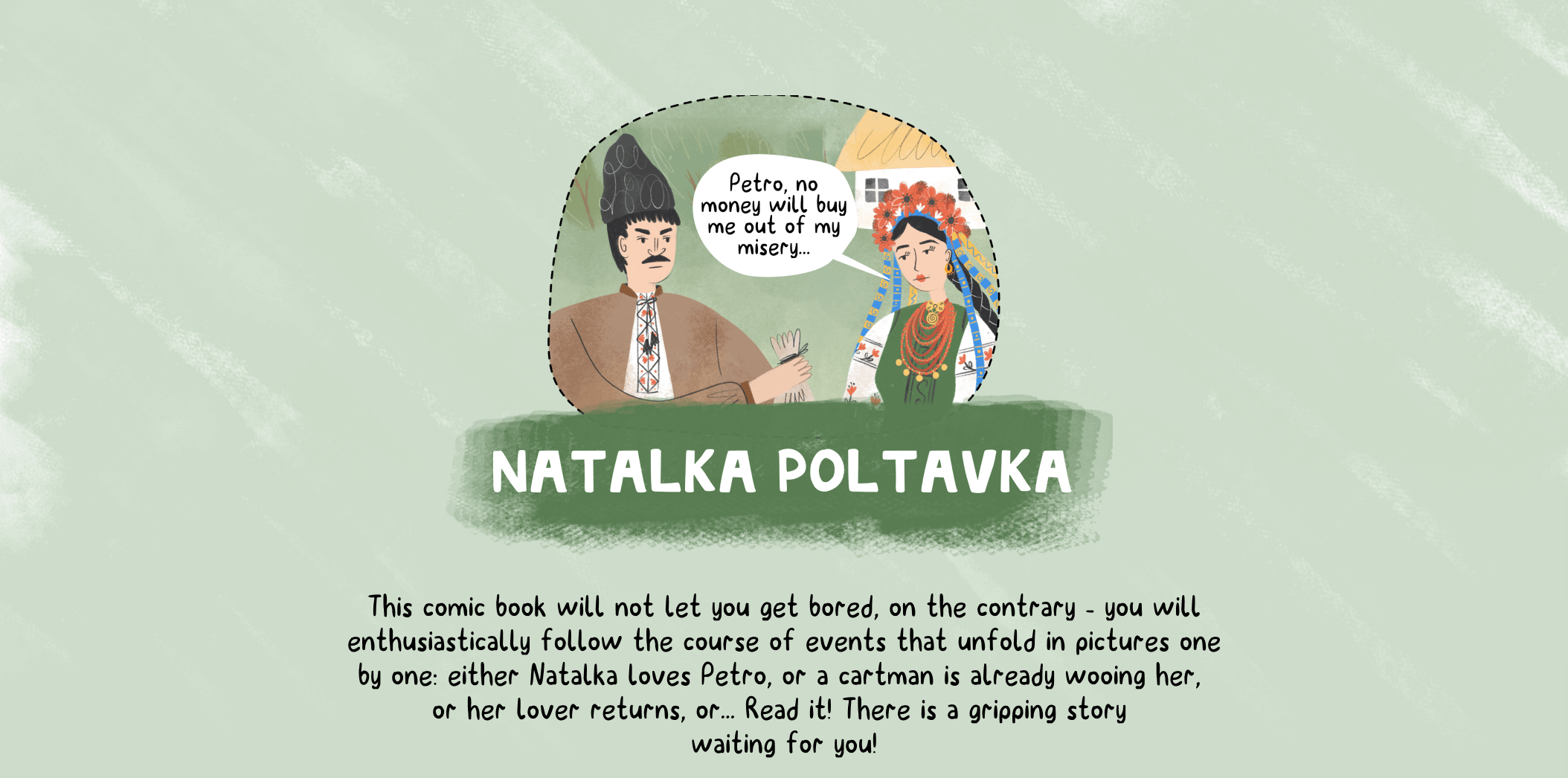
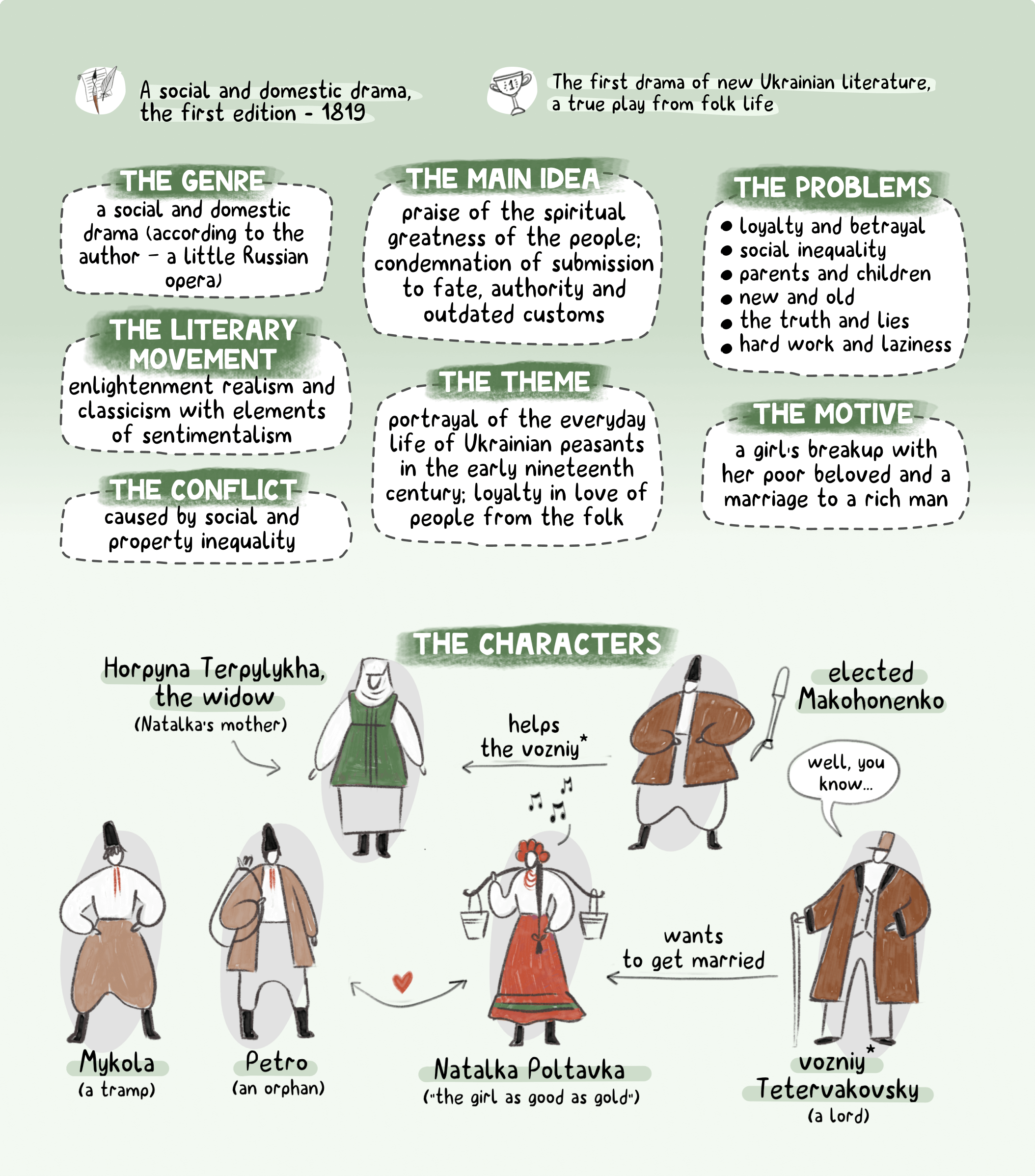
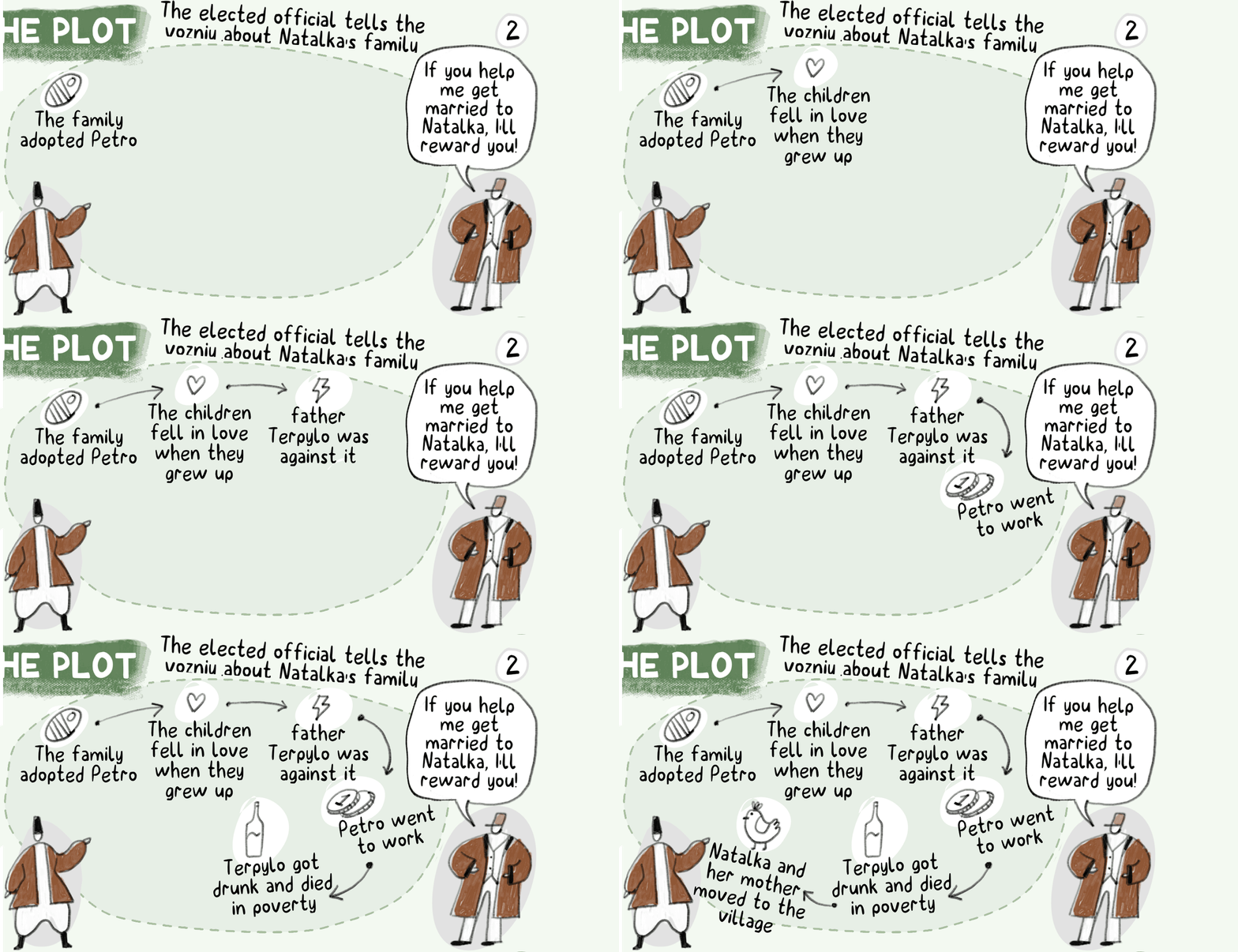
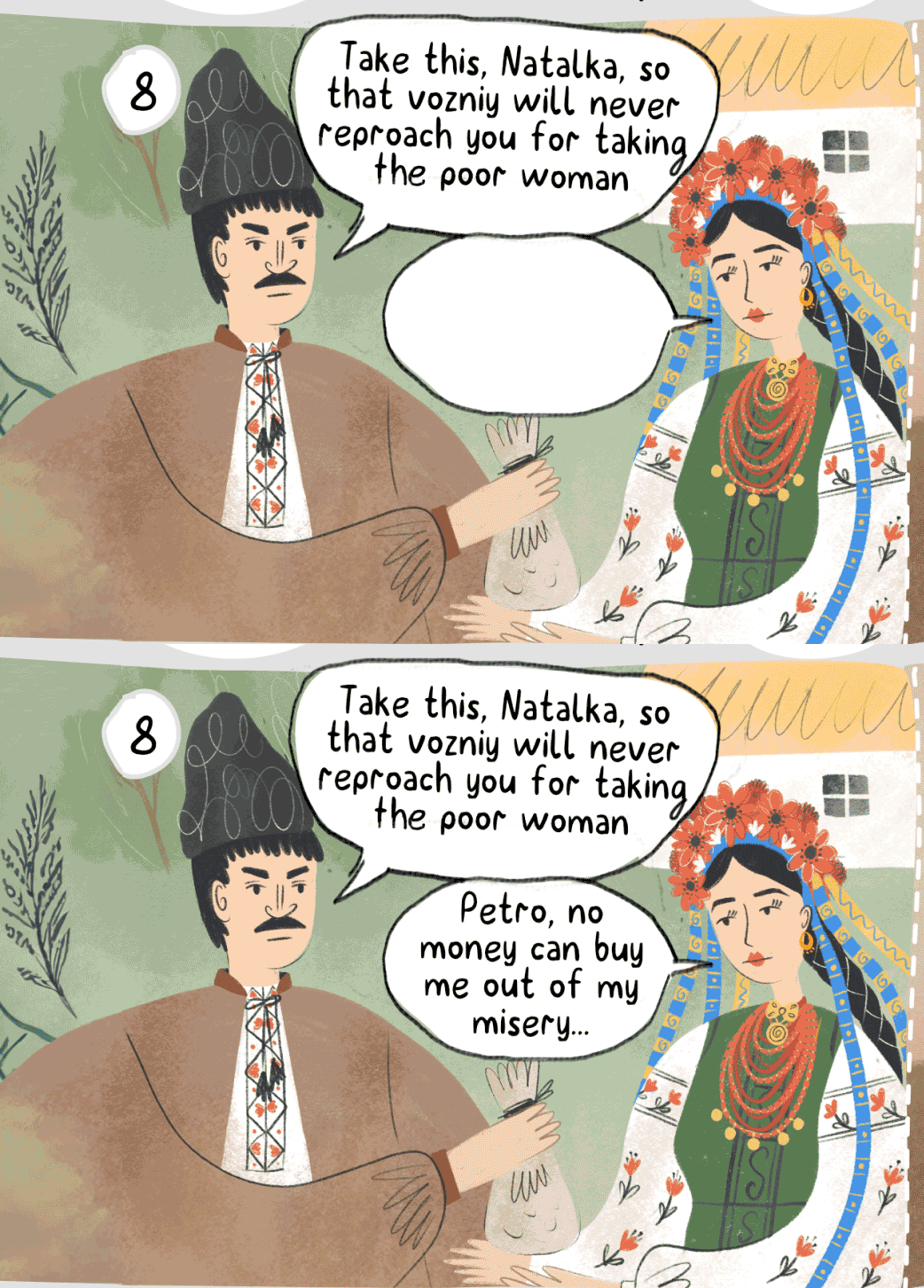
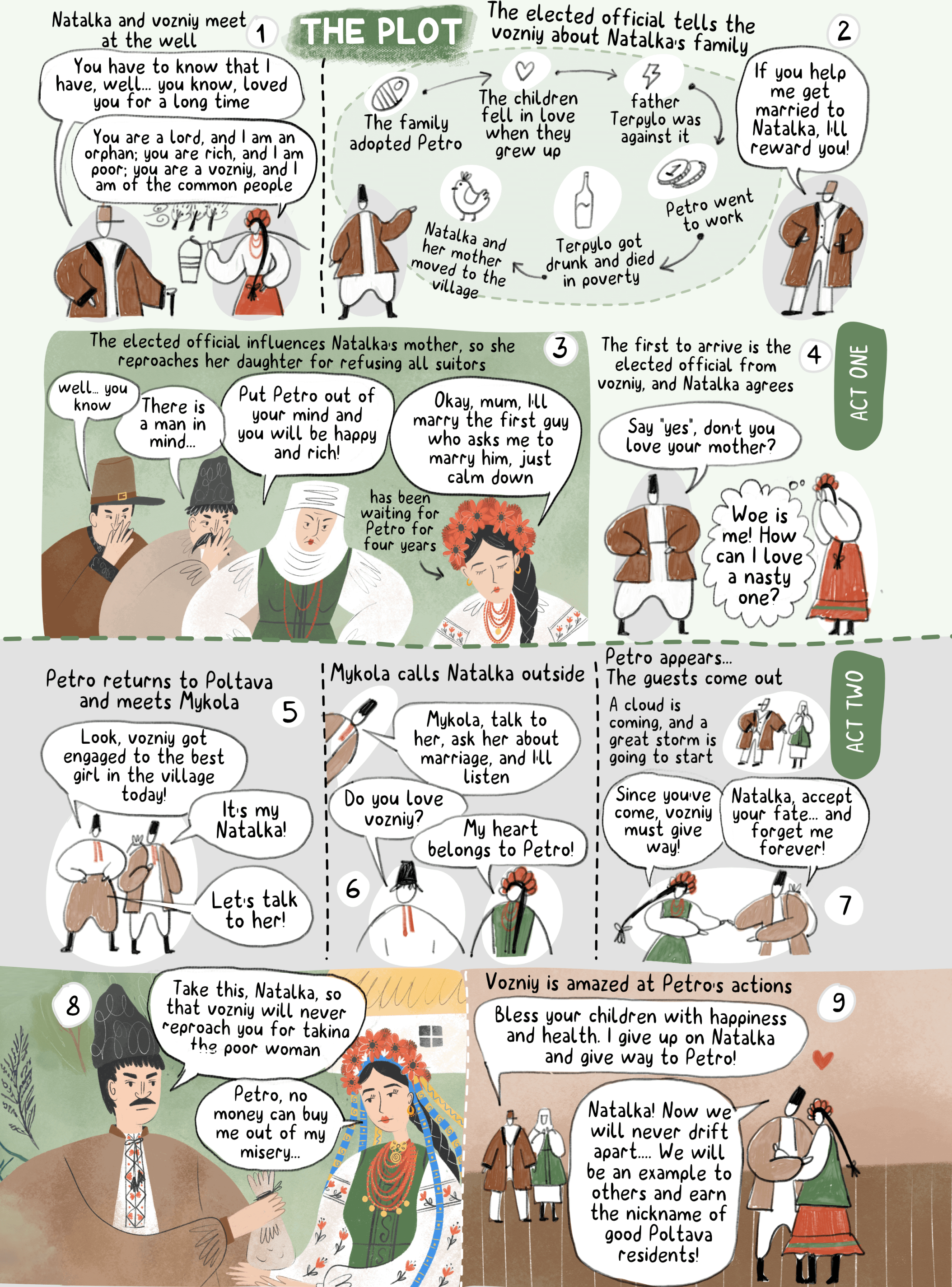
He was the director of the Poltava Free Theatre. In 1819, he wrote the play “Natalka Poltavka” and the vaudeville “Moskal – the Magician” for the theatre, which became the basis for the launch of a new Ukrainian drama. And Mykola Lysenko created the opera “Natalka Poltavka”.
He served for 25 years as the director of an educational institution for poor noblemen’s children in Poltava.
Kotliarevsky left no direct descendants. Before his death, he set his serfs free and bequeathed his house on a mountain in Poltava to his housekeeper, Motriia Veklyvechyva, a non-commissioned officer’s widow.
The Emperor Alexander I kept “The Aeneid” with Kotliarevsky’s autograph. A copy of the work was also in the personal library of Napoleon I Bonaparte.
Kotliarevsky had a secret patroness. Scholars suggest that it was Varvara Repnina, the wife of Governor-General Mykola Repnin. She commissioned Kotliarevsky to translate Duquesne’s work from French for the Poltava Institute of Noble Maidens. The writer was translating three volumes of 500 pages each for 15 years.